
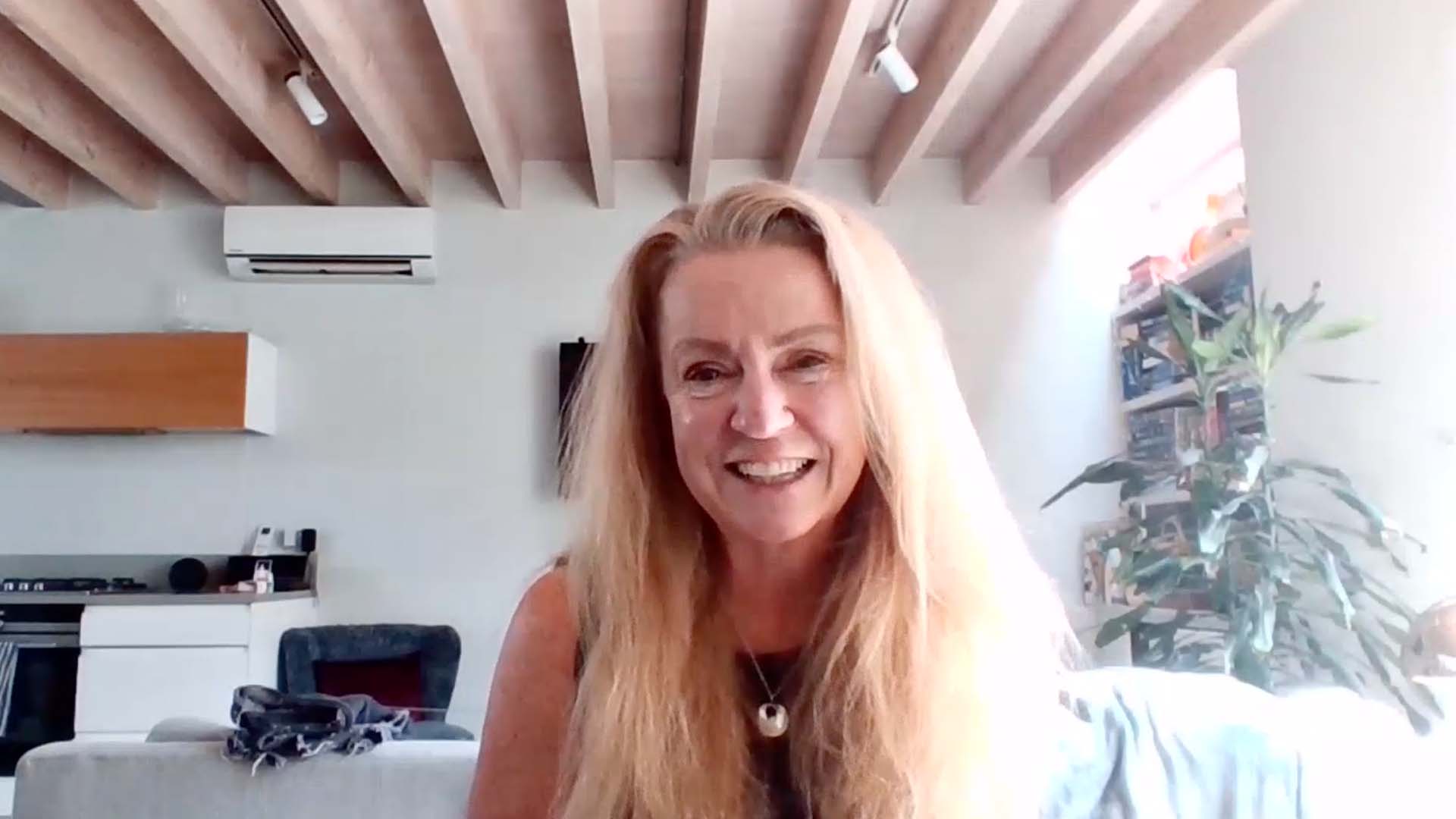
What happens when a senior marketing leader steps off the corporate ladder and starts building something of their own?
In this Nexters conversation, Gareth Helm speaks with Amanda O’Brien about her move from senior marketing roles at Direct Line and B&Q into a very different working life: travel publishing, pet websites, interim work, consultancy and, more recently, AI-led content innovation.
Amanda’s story is not a simple “follow your passion” tale. It is more useful than that. It is about circumstance, experimentation, grief, curiosity, commercial pragmatism, market disruption, loneliness, community and the need to keep reinventing.
For senior leaders thinking about their own next chapter, it is a very honest example of what career change can really look like.
What can senior leaders learn from Amanda O’Brien’s career change?
Amanda’s story shows that career reinvention is rarely one neat pivot. She moved from corporate marketing into an independent portfolio career, built online publishing businesses, adapted when Google changes damaged the blogging model, and then started repositioning around AI, social media and content for large language models. Her experience is a reminder that the next chapter is often built through experiments, not perfect plans.
In this film, Amanda talks about:
- Moving from FMCG and senior marketing roles into digital publishing
- Why she started building websites as a way to learn
- How The Boutique Adventurer became a business
- The reality of travel influencing and content creation
- How website businesses make money through advertising, affiliates and sponsored content
- The impact of Google algorithm changes on independent publishers
- How AI has helped her rethink her business model
- Why community matters when you leave corporate life
- What she misses from the corporate world
- The ego shift required when you move from senior executive to independent operator
From corporate marketing to something more independent
Amanda began with what many would see as a classic senior marketing career. She worked in FMCG, insurance and retail, including senior roles at Direct Line and B&Q. But after moving back to Australia during a difficult personal period, she began building a website, initially as a way to learn digital from the inside out.
That experiment became The Boutique Adventurer.
At first, she still expected to return to a senior marketing role. But the more she learned about SEO, advertising and content, the more she saw that the website could become a business. It also felt closer to the work she enjoyed most: marketing, creating, testing, learning and doing.
This is one of the useful lessons in Amanda’s story. Career change often starts as a side experiment before it becomes a serious option.
The pull of work that fits your strengths
One of the most interesting parts of Amanda’s story is that she did not simply leave corporate life because she wanted freedom. She also realised that some parts of senior leadership did not play to her strengths.
She enjoyed the craft of marketing. She enjoyed digital, content, customer understanding and commercial experimentation. What she enjoyed less were the layers of meetings, justification and organisational complexity that can come with more senior corporate roles.
For many senior leaders, this is an important distinction.
The question is not only:
What role could I do next?
It is also:
What kind of work gives me energy, and what kind of work drains it?
That is often where the next chapter starts.
The reality of portfolio life
Amanda’s portfolio now includes The Boutique Adventurer, pet-related websites, marketing consultancy and AI-related work. But she is also clear about the less glamorous side of independent life.
Travel content creation may look like being paid to go on holiday. In reality, she describes it as packed itineraries, constant filming, photography, editing, tagging, reporting and deliverables. The work is commercial, operational and often relentless.
She also talks honestly about what she missed after leaving corporate life: structure, stability, camaraderie and the feeling of being part of a team.
That matters because portfolio careers are often over-romanticised. They can be freeing, but they can also be lonely, uncertain and nebulous.
When the market changes underneath you
Amanda’s story also includes a second reinvention.
For a period, her online publishing model was working extremely well. She had strong website traffic and income from advertising, affiliates and sponsored content. Then Google algorithm changes hit independent publishers hard.
That moment forced her to ask whether she still wanted to keep going. She explored interim work again, questioned the business, and had to rethink where the opportunity might now sit.
This is a valuable lesson for senior executives. Reinvention is not a single decision. Even after you have made a big career change, the market can change again. The skill is not just making one pivot. It is learning how to keep reading the market and adapting.
Reinventing again with AI
Amanda’s next shift has been around AI.
Rather than seeing AI only as a threat, she has started using it as a way to work differently. She describes using AI as a right hand: briefing it, training it, asking it to improve headlines, helping create and edit content, and removing some of the lower-value manual tasks.
She has also started thinking about how travel companies can be found by large language models. Her point is that AI search needs specific, useful, repeated information: opening hours, meeting points, routes, accessibility, dietary options and practical details. That creates a new opportunity for content publishers who can provide detailed, trusted, useful information.
For Sideminds, this is a strong fit with the wider blog because it is not just about AI. It is about how experienced leaders can take old skills into a new market.
The importance of community
One of Amanda’s strongest reflections is that she wishes she had built more real-life community earlier.
Leaving corporate life can mean losing the team, the office, the shared mission and the everyday social fabric of work. Amanda talks about finding new motivation by becoming more open with other people in the same world, sharing what works, sharing commercial learning and creating something closer to a peer group.
That is a powerful message for senior leaders considering portfolio or independent work.
The work matters. The model matters. The income matters. But the community matters too.
What senior leaders can learn from Amanda’s story
Amanda’s story offers several lessons for anyone thinking about career reinvention:
- Start with experiments, not perfect answers
Amanda did not set out to build a new career from day one. She started by learning how websites worked. - Pay attention to what gives you energy
She moved closer to the parts of marketing she loved: digital, content, experimentation and commercial creativity. - Expect the loss as well as the gain
Corporate life can be frustrating, but it also gives structure, status, colleagues and rhythm. - Keep reading the market
SEO created the first opportunity. Google disruption changed it. AI is now shaping the next one. - Build community deliberately
Independent work is easier when you have peers, collaborators and people who understand the journey. - Leave your old status at the door
Moving from senior executive to independent operator often means doing the unglamorous work yourself.
If Amanda’s story has made you think about your own next chapter, Sideminds can help you work through the options.
Whether you are considering a career change, portfolio career, interim route, advisory work or a more meaningful next move, our tools and coaching programmes are designed to help senior leaders move from uncertainty to practical action.
Explore our free career tools or get in touch with Gareth to talk about your own reinvention.
Frequently Asked Questions
Is this a career change case study?
Yes. Amanda’s story is a strong example of senior career reinvention. She moved from corporate marketing leadership into an independent portfolio career built around travel publishing, websites, consultancy and AI.
Is a portfolio career always planned?
Not always. Amanda’s journey shows that portfolio careers often develop through experiments, circumstances and opportunities. The important thing is to keep learning, testing and adapting.
What are the risks of leaving corporate life?
The risks include loss of structure, status, colleagues, predictable income and clear progression. Amanda speaks honestly about missing the camaraderie of corporate life and the loneliness that can come with independent work.
How is AI changing independent careers?
AI can be both a threat and an opportunity. In Amanda’s case, AI has changed search behaviour and disrupted publishing, but it has also helped her create content faster, rethink her business and develop new services.
What should senior leaders do if they are considering a similar move?
Start with research, conversations and small experiments. Amanda’s advice is to speak to people already working in the area, explore more than one route, and avoid assuming that one idea has to become the perfect answer.
